Key Elements of a Graphic Design CV
Creating a compelling graphic design CV involves highlighting key elements that showcase your creativity and technical skills. An effective CV should present a clear visual hierarchy, innovative layout, and a portfolio that reflects your unique style. Including relevant experience, technical proficiency, and personal projects can help demonstrate your versatility and suitability for design roles. By emphasizing these elements, you can craft a standout resume that captures the attention of potential employers in the competitive graphic design industry.
Contact Information
Contact information is a crucial element of a graphic design CV, providing potential employers with the necessary details to reach out. It should be clearly presented at the top of the document, including your full name, phone number, email address, and optionally your portfolio website or social media profiles relevant to graphic design. Using clean and readable fonts ensures that this information is easily accessible. Proper placement and formatting of contact details help create a professional first impression and facilitate communication with recruiters or clients.
Professional Summary
A professional summary in a graphic design CV should provide a concise overview of your skills, experience, and design philosophy. It serves as an introduction that quickly communicates your strengths and what sets you apart as a designer. Highlight your core competencies, such as proficiency in design software, creativity, and ability to handle diverse projects. Tailor this section to reflect your unique style and career goals, making it relevant to the position you are applying for. A well-crafted professional summary can grab the employer’s attention and encourage them to review the rest of your portfolio and credentials.
Skills and Techniques
A well-crafted graphic design CV should effectively showcase your creativity, technical skills, and professional experience. It serves as a visual representation of your design abilities and personal style, making it essential to include key elements that highlight your qualifications and talents.
- Contact Information: Clearly display your name, phone number, email address, and portfolio link.
- Professional Summary: A brief statement highlighting your design expertise, years of experience, and career goals.
- Skills: List core skills such as Adobe Creative Suite, typography, layout design, branding, illustration, and UI/UX design.
- Technical Techniques: Detail your familiarity with tools, software, and techniques like vector graphics, raster imaging, wireframing, prototyping, and animation.
- Work Experience: Include relevant job roles, freelance projects, or internships with descriptions of your responsibilities and achievements.
- Education: Mention degrees, certifications, or courses related to graphic design or visual arts.
- Portfolio: Incorporate a link to your online portfolio or showcase selected works directly within the CV.
- Design and Layout: Use a clean, visually appealing layout that reflects your style, with well-organized sections and balanced use of space.
- Additional Elements: Awards, exhibitions, or publications demonstrating your recognition and involvement in the design community.
In summary, a compelling graphic design CV combines essential content with a thoughtful, creative layout that displays your skills and techniques effectively to potential employers or clients.
Technical Proficiencies
When creating a graphic design CV, highlighting your technical proficiencies is essential to showcase your skills and expertise. Employers want to see that you are proficient with the tools and software relevant to the industry. Clearly presenting your technical skills can set you apart from other candidates and demonstrate your ability to contribute effectively to design projects.
- Adobe Creative Suite (Photoshop, Illustrator, InDesign)
- Sketch and Figma for UI/UX design
- Photo editing and retouching
- Typography and color theory knowledge
- Print and digital media design
- Wireframing and prototyping skills
- Responsive and mobile design
- HTML, CSS, and basic web development (optional but advantageous)
- Branding and visual identity development
- Animation and motion graphics software (After Effects, Adobe Animate)
Work Experience
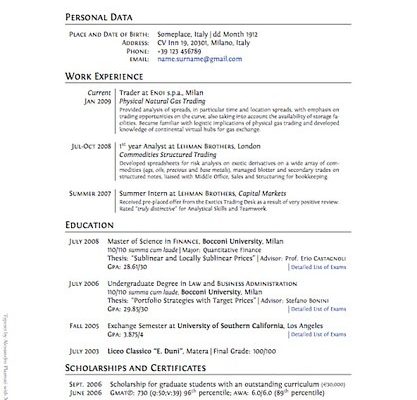
In a Graphic Design CV, the Work Experience section is essential for showcasing your practical skills and professional background. It should highlight relevant positions, projects, and accomplishments that demonstrate your creativity and technical expertise. Clearly outline your role, responsibilities, and the impact of your work to give potential employers a comprehensive understanding of your capabilities. Including specific design projects or collaborations can also help illustrate your style and versatility as a graphic designer.
Education and Certifications
When creating a graphic design CV, highlighting your Education and Certifications is essential to showcase your technical skills and professional qualifications. Clearly list your academic background, including degrees related to design, art, or visual communication, along with the institutions attended and dates of completion. Additionally, include relevant certifications such as Adobe Certified Expert, UX/UI certifications, or specialized training in graphic tools and software. These elements not only demonstrate your expertise but also reinforce your credibility and commitment to continuous learning in the field of graphic design.
Portfolio and Projects
A well-crafted graphic design CV should effectively showcase your skills, experience, and artistic style to attract potential employers or clients. It should include clear contact information, a professional summary or objective, and a list of relevant skills such as software proficiency, typography, and layout abilities. Your education and work experience should be presented in a clean, organized manner, highlighting your most impressive projects and accomplishments.
Your portfolio is the visual centerpiece of your application, allowing you to demonstrate your creative talent and versatility. It should feature a curated selection of your best work, including branding, print, digital, and motion design projects that reflect your strengths. Include brief descriptions for each piece, outlining the project’s goals, your role, and the outcome to give context to your work.
Projects showcased in your CV and portfolio should emphasize problem-solving, originality, and technical skills. Including personal or freelance projects can illustrate initiative and passion for design. Ensure that your presentation style is consistent across all materials, emphasizing a cohesive personal brand that resonates with your target audience. A balanced combination of well-structured CV, compelling portfolio, and thoughtfully selected projects will significantly enhance your chances of standing out in the competitive graphic design industry.
Awards and Recognition
When creating a graphic design CV, highlighting awards and recognition is essential to demonstrate your professional achievements and credibility in the field. These elements can set you apart from other candidates and showcase your talent and dedication.
- Clear Presentation of Awards and Recognition: List your awards in a dedicated section to make them easily noticeable.
- Include Relevant Details: Specify the name of the award, the organization that granted it, the date received, and a brief description if necessary.
- Showcase Industry Recognition: Highlight awards from reputable industry events, competitions, or design communities to emphasize your standing in the field.
- Highlight Notable Projects: Mention awards earned for specific projects that demonstrate your skills and creativity.
- Use Visual Elements: Incorporate icons or small images to make awards visually appealing and aligned with graphic design aesthetics.
References
When creating a graphic design CV, including a section for references is essential to showcase your professional connections and credibility. References should be relevant to the industry and ideally include previous employers, clients, or colleagues who can attest to your skills and work ethic. It’s important to provide clear contact information for each reference, such as their name, position, company, phone number, and email address. Always seek permission from your references before listing them to ensure they are willing to support your application. Including references not only strengthens your CV but also gives potential employers confidence in your professional reputation and network within the graphic design field.
Design Tips for an Effective CV
Creating a compelling graphic design CV is essential to showcase your skills and stand out to potential employers. An effective CV not only highlights your experience but also demonstrates your design sensibility through visual elements. By paying attention to layout, typography, and color schemes, you can craft a professional and eye-catching document that leaves a lasting impression.
Visual Hierarchy
Creating an effective CV for graphic design emphasizes the importance of visual hierarchy to guide the viewer’s attention and highlight key information. A well-structured CV not only showcases your skills but also reflects your design sensibility. Incorporating clear visual hierarchy ensures that the most important elements stand out, making it easier for employers to assess your qualifications quickly.
- Use size and weight to distinguish headings from body text, making your section titles and your name stand out immediately.
- Apply contrasting colors or bold fonts selectively to emphasize critical information like your skills, contact details, or recent projects.
- Organize content with consistent spacing and alignment to create a clean, logical flow that guides the reader through your experience and achievements.
- Utilize visual elements such as icons or lines to separate sections, enhancing clarity without cluttering the design.
- Prioritize the most relevant information at the top of your CV, ensuring the viewer’s eye naturally gravitates toward your key qualifications.
Color Scheme
Choosing the right color scheme for your graphic design CV is essential to make a strong visual impact and showcase your design sensibility. An effective color palette can highlight key sections, improve readability, and reflect your personality and professional style.
- Select a Neutral Base: Use neutral colors like white, gray, or beige for the background to maintain readability and a clean look.
- Incorporate Accent Colors: Choose one or two accent colors that complement your personal brand and add visual interest without overwhelming the content.
- Maintain Consistency: Apply your color scheme consistently throughout the CV, including headings, icons, and borders, to create a cohesive design.
- Contrast for Readability: Ensure sufficient contrast between text and background colors to enhance readability, especially for headings and subheadings.
- Limit Color Palette: Avoid using too many colors; a limited palette helps maintain a professional and polished appearance.
- Use Color to Guide the Eye: Utilize color to highlight important sections like skills, portfolio links, or contact information, guiding recruiters’ attention.
Typography
Typography plays a crucial role in creating an effective CV for a graphic design position, as it reflects your design sensibility and attention to detail. Using the right fonts and layout can enhance readability and make your CV stand out. Choose clear, professional fonts such as Sans-serif types for headings and a complementary serif or sans-serif for body text to ensure clarity. Maintain a consistent hierarchy with font size and weight to guide the reader’s eye through your information. Avoid clutter by using ample white space and limiting the number of font styles to create a clean, polished look. Proper alignment, spacing, and line height also contribute to overall readability and aesthetic appeal.
- Use a maximum of two complementary fonts to maintain visual harmony.
- Prioritize font size and style hierarchy to highlight key sections like headers, experience, and skills.
- Ensure consistent spacing and alignment throughout the CV for a professional appearance.
- Utilize white space effectively to prevent a crowded layout and improve readability.
- Avoid excessive decorative fonts that can distract from the content.
Layout and Spacing
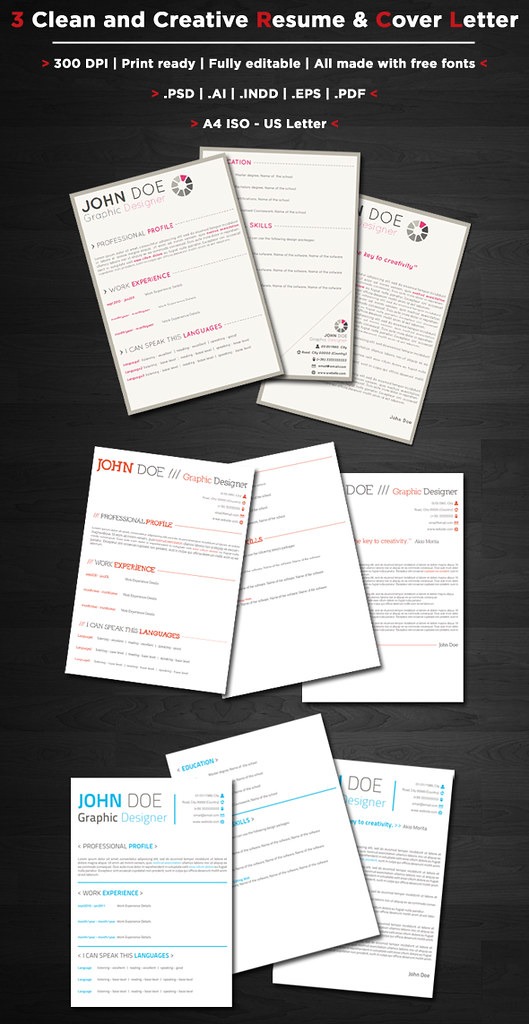
Creating an effective CV for graphic design requires careful attention to layout and spacing to showcase your skills creatively yet clearly. A clean, uncluttered layout allows your work and experience to stand out, making it easier for employers to assess your qualifications quickly. Use ample white space to prevent the design from appearing overcrowded, guiding the viewer’s eye smoothly through your information. Balance your elements, ensuring consistent margins and spacing between sections, headers, and content. Incorporate strategic use of grids and alignment to create a harmonious flow, allowing your portfolio and contact details to be easily accessible. Remember that an aesthetically pleasing design reflects your style and professionalism, so choose fonts, colors, and spacing that complement your personal brand while maintaining readability and clarity.
Use of Icons and Graphics
Creating an effective CV for graphic design requires strategic use of visual elements to showcase your skills and creativity. Incorporating icons and graphics can help direct attention and make your CV stand out, but they should be used thoughtfully to maintain professionalism. Use icons to represent sections such as contact information, skills, or social media links, making it easier for recruiters to navigate your resume. Incorporate simple graphics or subtle color accents to emphasize key areas without overwhelming the content. Keep the layout clean and organized, ensuring that your icons and graphics enhance readability rather than distract from your qualifications. Remember, balance is key—use visuals to complement your information, demonstrating your design sensibility while keeping the document functional and easy to scan.
Consistency in Style
Maintaining consistency in style is essential for creating an effective graphic design CV that stands out. Use uniform fonts, sizes, and colors throughout the document to create a cohesive look. Choose a few complementary fonts and stick to them for headings and body text, ensuring readability and visual harmony. Align your text properly, whether left, right, or centered, to maintain a clean and professional appearance. Incorporate consistent spacing and margins to give your CV a balanced layout. Consistent use of icons, bullet points, and section headers helps guide the viewer’s eye smoothly across the content. By applying these style elements uniformly, your CV will look polished and reflect your attention to detail—an important trait for any designer.
Showcasing Your Portfolio
Showcasing your portfolio effectively is essential for standing out in the competitive world of graphic design. A well-organized and visually appealing portfolio not only highlights your skills and creativity but also demonstrates your professionalism to potential clients or employers. In this guide, we will explore key tips and strategies for designing a compelling graphic design CV that truly reflects your talent and style.
Including Sample Work in CV
Showcasing your portfolio effectively on a graphic design CV is essential to demonstrate your skills and creativity to potential employers. Including sample work within your CV allows recruiters to assess your style and versatility at a glance.
- Include a dedicated section for your portfolio or sample work, highlighting your best and most relevant projects.
- Use clear and high-quality images of your designs, making sure they are appropriately scaled and organized.
- Provide brief descriptions for each sample, explaining the project goal, your role, and the tools used.
- Consider adding links to an online portfolio or Behance profile for easy access to a broader range of work.
- Arrange your sample work in a visually appealing format, ensuring it complements the overall CV design.
Linking to an Online Portfolio
Showcasing your portfolio effectively is essential in a graphic design CV to demonstrate your skills and versatility. Including a link to your online portfolio allows potential employers or clients to easily explore your work and get a sense of your style and capabilities. Ensure the link is clearly visible and accessible, ideally placed near the top of your CV for quick reference. Use a professional and simple URL, or consider creating a custom link that aligns with your branding. Highlight a few standout projects within your CV to entice viewers to visit your online portfolio for more comprehensive examples of your work. Regularly update your portfolio to reflect your latest achievements and maintain a polished, cohesive presentation to reinforce your creative professionalism. Linking to your online portfolio is a powerful way to enhance your graphic design CV and make a strong impression on prospective employers.
Highlighting Key Projects
Showcasing your portfolio effectively is essential in creating a compelling graphic design CV. Highlighting key projects can demonstrate your skills, creativity, and versatility to potential employers or clients.
- Begin with a brief overview of each project, explaining the objectives and your role in its development.
- Incorporate high-quality images or visuals of your work to provide a clear representation of your design style and capabilities.
- Highlight the tools and techniques used in each project to showcase your technical proficiency.
- Describe the challenges faced and how you addressed them, emphasizing problem-solving skills.
- Include measurable results or client feedback to demonstrate the impact of your work.
- Arrange projects in a logical order, such as most recent or most relevant, to guide the viewer through your growth and expertise.
- Ensure each project aligns with the type of work you wish to pursue, tailoring your portfolio to your target audience.
Describing Your Role and Impact
Showcasing your portfolio effectively is essential in highlighting your skills and attracting potential clients or employers. When describing your role and impact, focus on specific projects where your design solutions made a difference. Emphasize your creative process, problem-solving abilities, and how your work enhanced the client’s brand or communication goals. Quantify your achievements when possible, such as increased engagement or improved user experience, to demonstrate your tangible contribution to each project. A well-structured presentation of your portfolio paired with clear descriptions of your role can significantly strengthen your graphic design CV, making it stand out in a competitive field.
Common Mistakes to Avoid
Creating an effective graphic design CV requires attention to detail and careful planning. Avoiding common mistakes can significantly improve the readability and professionalism of your resume. By understanding and steering clear of these pitfalls, you can craft a compelling CV that showcases your skills and experience effectively in the competitive world of graphic design.
Cluttered Layout
One of the most common mistakes to avoid in graphic design CVs is creating a cluttered layout that makes the document difficult to read and navigate. A cluttered design can overwhelm hiring managers and obscure your key skills and experience. To ensure your CV stands out professionally, keep the layout clean and organized, focusing on clarity and simplicity.
- Avoid overcrowding sections with too much text or unnecessary graphics that distract the reader.
- Use ample white space to separate different sections, making the CV easier to scan.
- Limit the use of multiple fonts, colors, and styles to maintain a cohesive and polished look.
- Ensure there is a logical flow, with headings that clearly delineate each section.
- Prioritize the most important information, such as skills and experience, making them easy to locate at a glance.
Generic Content
When creating a graphic design CV, one common mistake to avoid is using generic or overly simplistic content that does not showcase your unique skills and style. Instead, tailor your CV to highlight your specific experiences, tools, and projects that demonstrate your creativity and technical proficiency. Additionally, avoid including irrelevant information or cluttered layouts that can distract recruiters; aim for a clean, well-organized design that reflects your design sensibilities. Another mistake is neglecting to proofread thoroughly, which can lead to typos or grammatical errors that undermine your professionalism. Remember to focus on clarity, visual appeal, and relevance to make a strong impression in the competitive field of graphic design.
Overuse of Colors and Fonts
When designing a graphic design CV, it is essential to avoid overusing colors and fonts, as this can clutter the layout and detract from readability. Sticking to a limited color palette helps maintain a professional appearance, while using one or two complementary fonts ensures clarity. Overly vibrant colors or numerous font styles can distract hiring managers and reduce the overall effectiveness of your CV. Prioritize simplicity and consistency to create a clean, polished look that highlights your skills and experience without overwhelming the viewer.
Including Irrelevant Information
When creating a graphic design CV, it is important to focus on relevant information that highlights your skills and experience. Including irrelevant details, such as personal hobbies or outdated software knowledge, can distract from your core qualifications. Avoid cluttering your CV with excessive graphics or elaborate fonts that may compromise readability. Keep the design clean and professional, ensuring that your portfolio links and contact information are easily accessible. Remember, the goal is to showcase your design capabilities without overwhelming the reader with unnecessary or off-topic information.
Neglecting to Update Regularly
Neglecting to update your graphic design CV regularly is a common mistake that can hinder your career growth. An outdated CV may not reflect your latest skills, projects, or achievements, making it difficult for potential employers to assess your current capabilities. Regular updates ensure that your portfolio showcases your most recent work and demonstrates your ongoing development as a designer. Staying current also helps you tailor your CV to specific job opportunities, highlighting relevant experience and technical skills that employers are seeking. To avoid this mistake, set a routine to review and revise your CV every few months, especially after completing significant projects or acquiring new skills, ensuring your application always presents your best and most up-to-date professional self.