Personal Information
Personal information is a crucial element of a graphic design CV, providing potential employers with essential details about the applicant. Including accurate and relevant personal data helps to establish credibility and facilitates easy communication. It also gives a brief glimpse into the candidate’s background, making it an important aspect of a professional CV in the creative industry.
Name and Contact Details
Including your personal information, such as your name and contact details, is essential on a graphic design CV. This information helps potential employers easily identify and reach out to you. Ensure your name is prominently displayed at the top and use professional contact details, including your phone number and email address. Optionally, you can include your LinkedIn profile or portfolio website to showcase your work. Keep this section clear and concise to make a strong first impression.
Professional Title
Including your personal information and professional title on a graphic design CV is essential for making a strong first impression. Your personal information, such as your name, contact number, email address, and portfolio link, should be clearly visible at the top of the document. This allows potential employers or clients to easily reach out to you. Your professional title, such as “Graphic Designer” or “Visual Artist,” should succinctly describe your area of expertise and help communicate your skills immediately. Placing these details prominently ensures your CV stands out and conveys your professional identity effectively.
LinkedIn and Portfolio Links
Including personal information, LinkedIn profile, and portfolio links in your graphic design CV is essential for showcasing your professional identity and skills. Personal details such as your name, contact number, and email should be clearly presented at the top of the CV. Providing a LinkedIn profile link allows potential employers to view your professional background and endorsements, adding credibility to your application. Additionally, including a link to your online portfolio demonstrates your design work and creativity, giving recruiters instant access to your best projects. Ensure all links are up-to-date and easily accessible to make a strong impression.
Professional Summary
A professional summary for a graphic design CV provides a concise overview of your skills, experience, and creative abilities. It highlights your unique strengths and sets the tone for your resume, capturing the attention of potential employers. A well-crafted summary showcases your expertise in design principles, software proficiency, and your ability to translate ideas into visually compelling projects.
Brief Overview of Skills and Experience
A highly creative and detail-oriented graphic designer with over five years of experience in developing visually compelling content for clients across various industries. Proven expertise in utilizing design software and tools to deliver innovative solutions that align with client objectives and branding strategies. Adept at managing multiple projects simultaneously while maintaining high standards of quality and deadlines.
Skilled in Adobe Creative Suite, including Photoshop, Illustrator, and InDesign, with a strong eye for typography, color theory, and layout design. Experience in branding, marketing materials, digital media, and UI/UX design. Excellent communication and collaboration skills, able to effectively translate client visions into impactful visual stories. Passionate about staying current with the latest design trends and technologies to deliver fresh and engaging visual content.
Career Objectives
A professional summary for a graphic design CV should highlight your creativity, technical skills, and experience in visual communication. It serves as a quick overview of your background and what you bring to potential employers.
Career objectives outline your future goals and aspirations within the graphic design industry, demonstrating your motivation and commitment to growth. They help employers understand how you envision your role and contribution to their team.
- Creative and detail-oriented graphic designer with over 5 years of experience in branding, digital media, and print design.
- Proficient in Adobe Creative Suite, Sketch, and other industry-standard design tools.
- Passionate about transforming concepts into visually compelling solutions aligned with client objectives.
- Aspiring to join a dynamic team where I can utilize my skills to create innovative visual experiences and continue developing as a designer.
Skills
Proficiency in the English language is essential for creating an effective graphic design CV. Strong communication skills enable designers to clearly articulate their ideas, collaborate with clients, and present their work convincingly. Mastery of language also helps in showcasing professionalism and attention to detail, making a compelling impression on potential employers.
Technical Skills
In a graphic design CV, highlighting your skills, especially technical skills, is essential to demonstrate your expertise and suitability for the role. Employers look for a well-rounded set of abilities that show your proficiency with design tools and your creative capabilities.
- Proficiency in Adobe Creative Suite, including Photoshop, Illustrator, and InDesign.
- Knowledge of web design languages like HTML, CSS, and JavaScript.
- Experience with typography, color theory, and layout design.
- Familiarity with UX/UI design principles and wireframing tools such as Figma or Sketch.
- Ability to work with print and digital media formats.
- Strong understanding of branding, visual identity, and marketing materials.
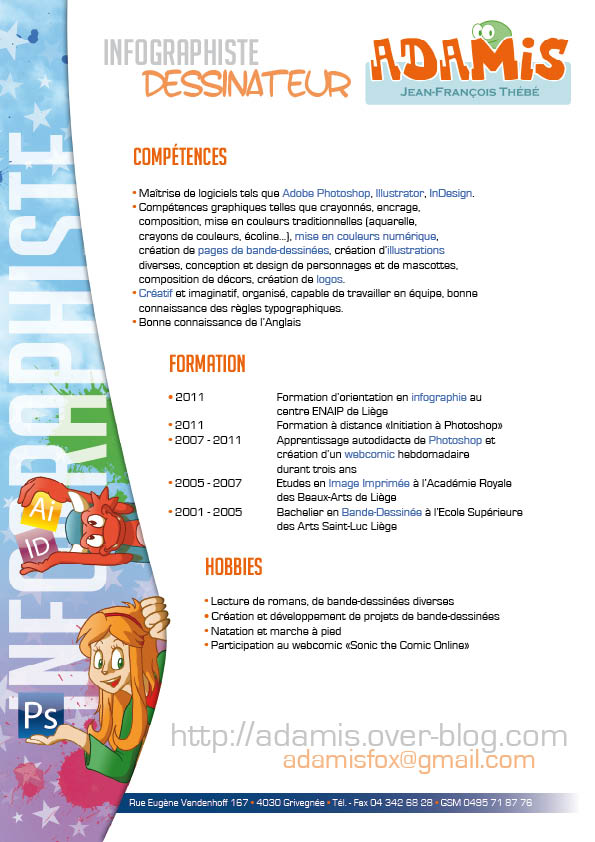
Creative Skills
Creative skills in a graphic design CV are essential to showcase your ability to produce innovative and visually appealing work. These skills demonstrate your talent in conceptualizing ideas, developing unique visual solutions, and bringing creativity to life through design. Highlighting your creative skills can set you apart from other applicants and show potential employers your artistic flair and originality.
- Visual Concept Development
- Typography and Color Theory
- Creativity in Branding and Logo Design
- Innovative Problem Solving
- Artistic Creativity and Originality
- Use of Design Tools and Software
- Storytelling Through Visuals
Software Proficiency
Proficiency in a wide range of graphic design skills and software is essential for creating compelling visual content. Skilled designers should have a strong understanding of layout, typographic principles, color theory, and composition to effectively communicate ideas. Mastery of industry-standard software such as Adobe Photoshop, Illustrator, InDesign, and other design tools is crucial for executing professional projects efficiently. Additionally, familiarity with newer platforms like Adobe XD, Canva, and Figma can enhance collaborative workflows and digital design capabilities. Continuous learning and adaptability in using the latest design technologies are vital for maintaining a competitive edge in the graphic design field.
Languages
Skills and languages are essential components of a graphic design CV, showcasing both your technical abilities and communication skills. Proficiency in design software such as Adobe Photoshop, Illustrator, and InDesign is highly valued. Additionally, skills in concepts like branding, layout, and user interface design can set you apart. Fluency in multiple languages, especially if working with international clients, demonstrates versatility and enhances collaboration. Clearly highlighting your skills and language proficiencies helps potential employers understand your capabilities and suitability for their projects.
Work Experience
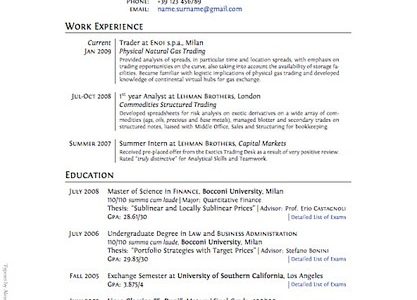
Work experience is a vital component of a graphic design CV, showcasing your skills, creativity, and professional development. It highlights your previous roles, notable projects, and the range of design capabilities you possess. Including detailed work experience helps potential employers understand your expertise and suitability for their projects, making it a key element in crafting an effective graphic design resume.
Job Title and Company
Work experience is a crucial section in a graphic design CV, showcasing your practical skills and professional development. Clearly list your job titles to highlight your roles within the industry. Mention the companies you’ve worked for to demonstrate your background and the environments you’ve been part of, which can help potential employers assess your fit for their organization.
Duration of Employment
In my previous role as a graphic designer, I worked for three years at Creative Solutions Agency, where I developed branding materials, social media graphics, and marketing campaigns. My duration of employment allowed me to refine my skills in Adobe Creative Suite and collaborate effectively with clients and team members. I am seeking to bring my experience and creativity to a new opportunity where I can contribute to innovative design projects and further enhance my expertise.
Key Responsibilities and Achievements
In my previous roles as a graphic designer, I have accumulated extensive work experience in creating visually compelling designs for various clients and industries. My key responsibilities included developing concept sketches, designing logos, branding materials, and digital assets, as well as collaborating with clients to ensure their vision was accurately translated into final products. I consistently managed multiple projects simultaneously, adhering to deadlines and maintaining high standards of quality. My achievements include successfully launching branding campaigns that increased client engagement, winning design awards for innovative work, and receiving positive client feedback for my creative solutions and attention to detail. Throughout my career, I have demonstrated strong proficiency in Adobe Creative Suite, a keen eye for aesthetics, and the ability to adapt quickly to evolving design trends, making me a valuable contributor to any creative team.
Notable Projects
In my professional journey as a graphic designer, I have accumulated extensive work experience across various industries, including advertising, fashion, and technology. I have successfully collaborated with clients to create compelling visual narratives that align with their brand identity and marketing goals. My expertise encompasses branding, logo design, packaging, and digital media, which have consistently contributed to enhancing brand recognition and customer engagement.
Some of my notable projects include developing a comprehensive rebranding strategy for a startup, which resulted in a 30% increase in market visibility, and designing an award-winning campaign for a non-profit organization that significantly boosted public awareness. I also led the design of a user interface for a mobile app that garnered positive reviews and high user satisfaction ratings. These projects exemplify my ability to blend creativity with strategic thinking to produce impactful visual solutions.
Education
Education plays a crucial role in shaping an individual’s skills and knowledge, especially in specialized fields like graphic design. A well-founded educational background can significantly enhance a candidate’s qualifications when applying for a graphic design CV. Understanding the importance of formal training and continuous learning helps professionals stand out in a competitive industry and showcase their creative expertise effectively.
Degree and Field of Study
When creating a graphic design CV, it is important to include your Education, Degree, and Field of Study to demonstrate your academic background and relevant qualifications. Highlighting your educational achievements helps showcase your foundational skills and commitment to the field. Clearly stating your Degree, such as Bachelor’s or Master’s, along with your specific Field of Study like Graphic Design, Visual Communication, or Multimedia Arts, provides potential employers with a quick understanding of your expertise and specialization. This information can set you apart from other candidates and strengthen your application for creative roles.
Institution Name
When creating a graphic design CV, highlighting your education and institution name is essential to showcase your foundational skills and academic background. Include the name of the institution where you completed your degree, along with relevant courses or certifications that enhance your design expertise. Present this information clearly to demonstrate your formal training and commitment to the field of graphic design.
Graduation Year
When creating a graphic design CV, highlighting your education and graduation year is essential to showcase your formal training and background in the field. Including your graduation year helps potential employers understand your level of experience and how recently you completed your education. Be sure to list your educational qualifications clearly, mentioning the institution attended and the year of graduation to provide a comprehensive view of your academic background in your CV.
Relevant Courses or Certifications
In my educational background, I have completed a Bachelor’s Degree in Graphic Design from XYZ University, which provided a strong foundation in visual communication and design principles. Additionally, I have obtained relevant certifications such as Adobe Certified Expert in Photoshop and Illustrator, enhancing my technical skills in these essential tools. I have also completed courses in UI/UX Design, Typography, and Digital Illustration, ensuring I stay updated with current industry standards and trends in graphic design.
Certifications and Professional Development
Certifications and professional development are key components of building a compelling graphic design CV. They showcase your commitment to staying current with industry trends, enhancing your skills, and demonstrating your expertise to potential employers. Continual learning through certifications can set you apart in a competitive job market, highlighting your dedication to growth and excellence in the field of graphic design.
Design Certifications
Including certifications and professional development in a graphic design CV showcases your commitment to continuous learning and enhances your credibility in the industry. Design certifications specifically highlight your technical skills and advanced knowledge in various design software and principles.
Relevant Certifications for Graphic Design
- Adobe Certified Expert (ACE) in Photoshop, Illustrator, or InDesign
- Certified Graphic Designer (CGD)
- User Experience (UX) Design Certification
- Web Design Certification
- print and Media Certification
Professional Development Opportunities
- Attending industry workshops and seminars
- Participating in online courses on platforms like Coursera, Udemy, or LinkedIn Learning
- Joining professional design associations such as AIGA or the International Council of Design
- Engaging in portfolio reviews and peer feedback sessions
- Keeping up with latest design trends through webinars and industry conferences
Workshops and Courses
Incorporating relevant certifications and professional development, workshops, and courses into a graphic design CV can significantly enhance your credentials and showcase your commitment to staying current with industry trends. Certifications such as Adobe Certified Expert or Autodesk Certified Professional demonstrate your technical proficiency and dedication to continuous learning. Participating in workshops and specialized courses—whether in digital illustration, typography, UX/UI design, or branding—helps you expand your skill set and adapt to evolving design tools and methodologies. Highlighting these educational experiences on your CV not only validates your expertise but also positions you as a proactive and motivated designer committed to professional growth.
Portfolio
A well-crafted portfolio is essential for showcasing your skills and creativity in graphic design. It serves as a visual resume that highlights your best work, demonstrates your versatility, and reflects your unique style. A strong portfolio can make a significant difference when applying for graphic design positions or freelance opportunities, helping you stand out in a competitive field.
Highlighted Projects
A well-crafted portfolio and highlighted projects are essential components of a compelling graphic design CV. They showcase your creativity, technical skills, and versatility to potential employers or clients. Including a selection of your best work allows you to demonstrate your ability to handle diverse design challenges and your unique artistic style. Highlighted projects should be accompanied by brief descriptions that explain the project’s objectives, your role, and the results achieved. Presenting high-quality images and clear, concise descriptions helps to leave a memorable impression and prove your capability in delivering impactful visual solutions.
Links to Online Portfolio
A well-organized online portfolio is an essential component of a graphic design CV, as it showcases your creative skills and professional work to potential employers or clients. Including links to your online portfolio allows viewers to easily access a curated selection of your best projects, demonstrating your versatility and technical proficiency. Make sure your portfolio is thoughtfully structured, visually appealing, and easy to navigate to leave a lasting impression and increase your chances of landing opportunities in the competitive graphic design industry.
Project Descriptions and Outcomes
A well-crafted graphic design CV should include a comprehensive portfolio, detailed project descriptions, and clear outcomes to showcase your skills and experience effectively. Your portfolio serves as a visual showcase of your best work, highlighting your creativity and technical ability across various design styles and mediums.
In the project descriptions, provide context about each project, including the client or purpose, the scope of work, and your specific role. This helps potential employers understand your versatility and problem-solving skills in real-world scenarios.
Outcomes are essential to demonstrate the impact of your work, such as increased brand awareness, improved user engagement, or successful campaign results. Quantifying these outcomes where possible adds value and credibility to your CV, making it stand out in the competitive field of graphic design.
Awards and Recognitions
Awards and recognitions are vital components of a compelling graphic design CV, showcasing a designer’s talent, dedication, and industry acknowledgment. They serve as validation of creative skills and highlight accomplishments that distinguish a designer in a competitive field. Including notable awards and recognitions can significantly enhance the credibility and appeal of a graphic design resume.
Design Awards
In the realm of a graphic design CV, highlighting awards and recognitions showcases your excellence and industry acknowledgment. Design awards, in particular, serve as tangible proof of your creative prowess and innovation. Listing notable awards such as AIGA, D&AD, or Red Dot demonstrates your ability to stand out among peers and aligns your skills with recognized standards of excellence. Including these accolades not only enhances your credibility but also makes your portfolio more attractive to potential employers or clients, positioning you as a distinguished professional in the competitive field of graphic design.
Honors and Recognitions
Including Awards and Recognitions in a graphic design CV highlights your achievements and distinguishes you from other candidates. It showcases your excellence in the field and your commitment to professional growth.
- Design Excellence Award at the 2022 Creative Gala
- First Place in the International Logo Design Competition 2021
- Recognized as “Top 10 Emerging Graphic Designers” by Design Weekly 2020
- Recipient of the Adobe Creative Cloud Scholarship for Innovative Projects 2019
- Winner of the Red Dot Award for Visual Communication 2018
Additional Information
Additional Information in a graphic design CV provides candidates with an opportunity to showcase their unique skills, experiences, and qualities that set them apart from other applicants. It allows designers to highlight relevant certifications, language proficiencies, interests, or volunteer work that demonstrate their dedication and well-rounded personality. Including this section effectively can make a strong impression on potential employers by offering a fuller picture of the applicant’s abilities and passions beyond technical skills.
Languages Spoken
Additional Information: I am highly passionate about graphic design with over five years of professional experience. I stay updated with the latest trends and tools in the industry, ensuring my work remains innovative and effective. I am committed to continuous learning and development to enhance my skills and contribute creatively to every project.
Languages Spoken: English, Spanish, French
Volunteer Work
Engaging in volunteer work related to graphic design has significantly enhanced my skills and broadened my professional perspective. I have contributed to nonprofit organizations by creating promotional materials, posters, and social media content, which improved my ability to work under tight deadlines and adapt to different project requirements. This experience has also strengthened my collaboration and communication skills, allowing me to effectively understand clients’ visions and deliver impactful designs. Volunteering has been a rewarding way to give back to the community while continuously developing my creativity and technical proficiency in graphic design.
Interests and Hobbies
In addition to my professional skills, I have a strong passion for exploring new creative ideas and staying updated with the latest trends in graphic design. I enjoy experimenting with various design software and techniques to enhance my portfolio and keep my work innovative. Outside of work, I am an avid traveler, which inspires my creativity and broadens my cultural perspective. I also have interests in photography and digital art, frequently incorporating these elements into my projects to add depth and originality. Engaging with online design communities keeps me connected and continuously learning from fellow artists, ensuring my skills remain current and diverse.